What Size HVAC System Do I Need? A Maryland Sizing Guide
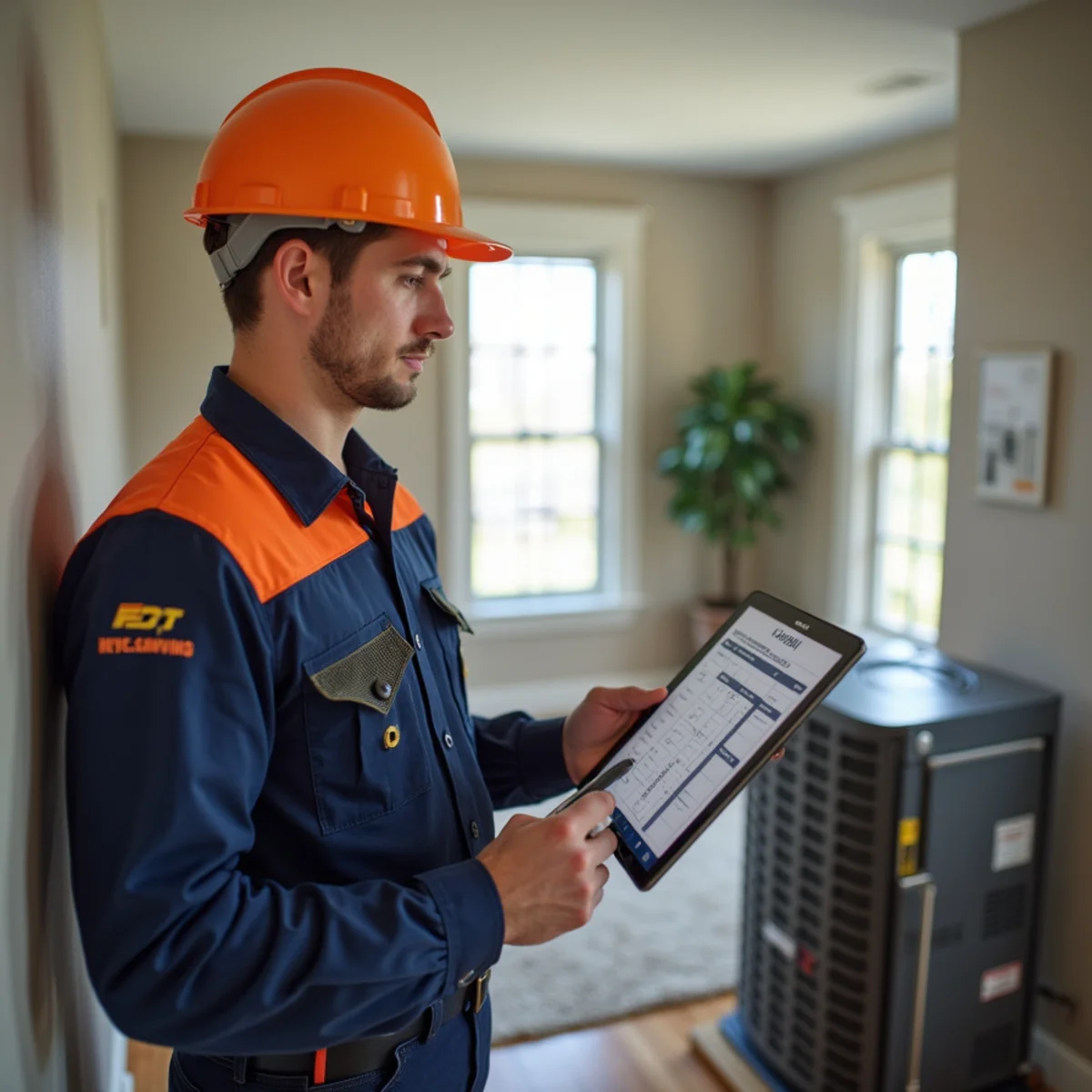
Picking the right size furnace or AC is the single biggest decision in a new system. Here's how tonnage and BTUs work, why oversizing backfires, and how a pro sizes a system for a Maryland home.
Before you compare brands, SEER2 ratings, or price quotes, there's one question that matters more than all of them: what size system does your home actually need? Get the size right and everything else — comfort, humidity control, energy bills, equipment lifespan — falls into place. Get it wrong and even the best equipment will struggle for the next 15 years. Here's how sizing works and how we figure it out for homes around Gaithersburg and Montgomery County.
Tonnage and BTUs: What the Numbers Mean
Air conditioners and heat pumps are rated in tons, and furnaces are rated in BTUs. A "ton" has nothing to do with weight — it's a measure of how much heat the system can move in an hour. One ton equals 12,000 BTUs of cooling capacity, so a 3-ton AC can remove 36,000 BTUs of heat per hour. Residential cooling systems typically range from about 1.5 to 5 tons.
Furnaces are rated by their heating output in BTUs per hour, commonly from around 40,000 up to 120,000 BTUs for homes. Two numbers matter: the input (how much fuel it burns) and the output (how much usable heat you get), and the gap between them is the efficiency rating, or AFUE. A higher AFUE means more of the fuel you pay for turns into heat in your rooms instead of going up the flue.
Why Bigger Is Not Better
It's a natural assumption that a larger system will keep you more comfortable. In practice, an oversized system is one of the most common comfort problems we're called out to fix. An oversized AC cools the air so fast that it satisfies the thermostat and shuts off before it has run long enough to pull humidity out of the house. In a Maryland summer that leaves you with a home that's cold and clammy at the same time.
Oversized equipment also short-cycles — it switches on and off in quick bursts instead of running steady, gentle cycles. That constant stopping and starting wears out compressors and igniters faster, drives up your energy use, and creates uneven temperatures from room to room. An oversized furnace does the same thing in winter, blasting heat and shutting down before the air has mixed evenly.
Undersizing Has Its Own Problems
Going too small is no better. An undersized system runs almost constantly trying to reach the thermostat setting, never quite catching up on the hottest or coldest days. That means higher bills, more wear from near-continuous operation, and a home that's a few degrees off from where you want it during a heat wave or a cold snap. The goal isn't the biggest system or the smallest — it's the right one, matched to your home.
How a Pro Actually Sizes a System: Manual J
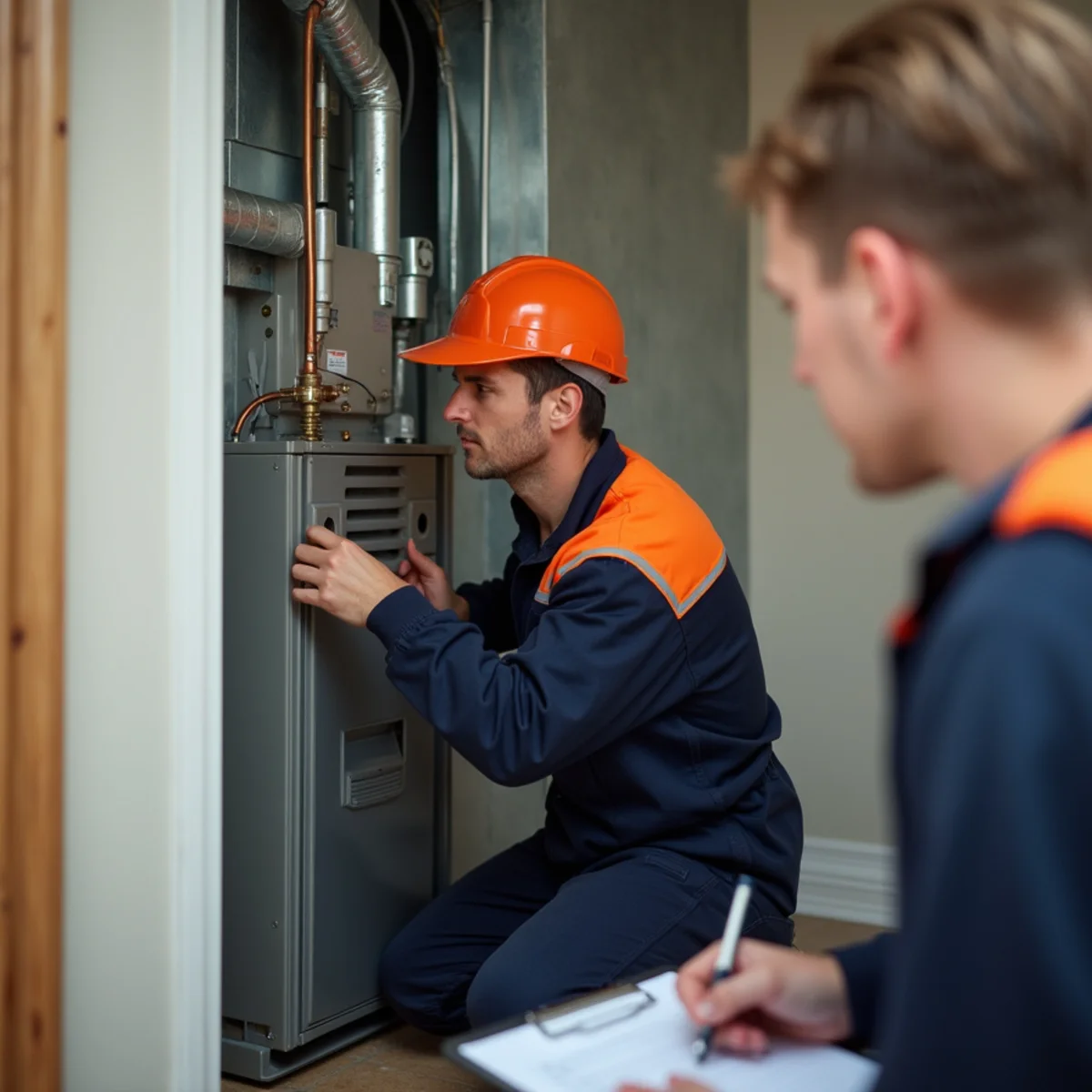
The right way to size equipment is a Manual J load calculation — the industry-standard method for figuring out exactly how much heating and cooling a specific home needs. It's not a guess based on square footage alone, and it's not simply matching whatever was there before (the old unit may have been wrong, too).
A proper load calculation looks at your home's square footage and ceiling heights, insulation levels, the number, size, and orientation of your windows, how much shade or sun you get, air leakage, and the local climate design temperatures. All of those factors add up to a real BTU number for heating and a real tonnage figure for cooling. That's the foundation of any honest furnace installation or AC installation quote.
Why Maryland Homes Need Special Attention
Our climate asks a lot of an HVAC system. Montgomery County summers are hot and humid, so humidity removal is just as important as raw cooling power — which is exactly why oversizing hurts so much here. Winters are cold enough to demand real heating capacity, so the system has to handle both ends of the year well.
The housing stock matters too. Older homes around Rockville and Germantown often have original ductwork, uneven insulation, and additions that were never part of the original heating plan. Those details change the load room by room, and they're a big reason sizing should never be done from a chart over the phone. If your ductwork is leaky or undersized, even a perfectly sized unit can't deliver comfortable air — something we check as part of every assessment.
Getting It Right the First Time
The only way to know your home's true load is an in-home evaluation, not a rule of thumb. P&Y has sized and installed systems across Gaithersburg and Montgomery County for over a decade, and owner and master tech Pedro Alcantara measures the home — not the old nameplate — before recommending equipment. Pairing the right size with a regular HVAC tune-up is what keeps a system running efficiently for its full life. Call (831) 461-3437 for a free, no-pressure sizing assessment and written quote.
Need Help From a Local Pro?
P&Y Heating and Cooling is here 24/7 for Montgomery County. Call for fast, licensed service and a free estimate.
Call (831) 461-3437