When to Replace Your HVAC System: A Homeowner's Guide
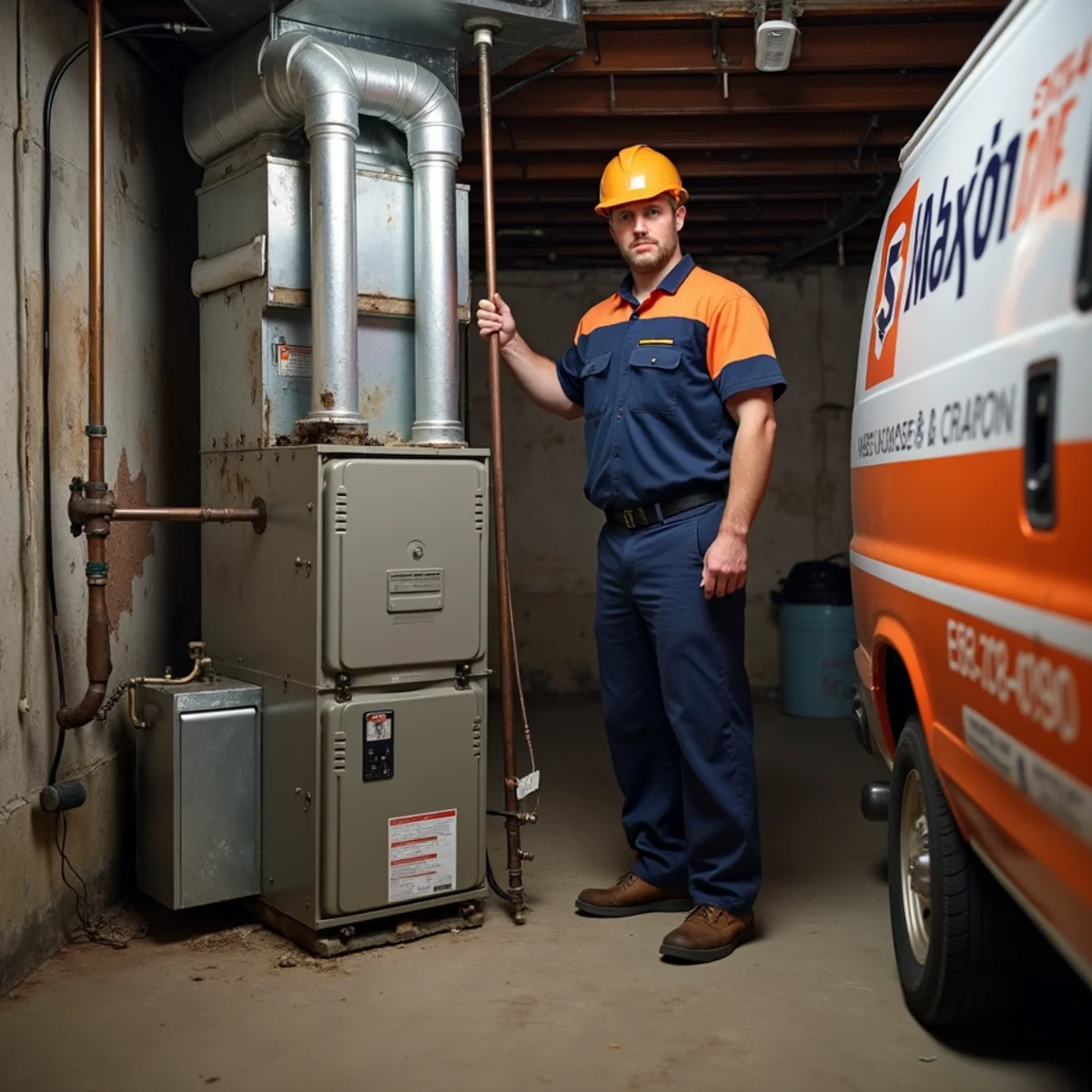
Repair or replace? Here are the honest signs it's time for a new HVAC system — age, rising bills, frequent repairs, R-22, and the 50% rule — and when repair is still the smart move.
Replacing an HVAC system is a big expense, so it's worth knowing the difference between a system that's worn out and one that just needs a repair. A single failure doesn't mean it's time to buy new — but a pattern of them, on top of age and rising bills, usually does. Here are the honest signs it's time to replace, and the just-as-important signs that repair is still the smart call.
Age of the System
Age is the single biggest factor. Air conditioners and heat pumps generally last about 10 to 15 years in our climate, and gas furnaces commonly run 15 to 20 years with good maintenance. If your system is in or past that window, every major repair becomes a harder decision, because you're investing in equipment that's near the end of its service life. A system under about 10 years old, by contrast, is usually worth repairing.
Rising Energy Bills
If your heating and cooling bills keep climbing while your usage habits haven't changed, the system is losing efficiency. Older equipment degrades over time, and efficiency standards have improved substantially — a modern high-efficiency system can use noticeably less energy to deliver the same comfort. When an aging unit is quietly costing you more every month, those savings become part of the replacement math.
Frequent or Expensive Repairs — The 50% Rule
One repair is normal. Repairs every season, or one big-ticket repair on an old system, are a different story. A useful guideline is the 50% rule: if a repair costs more than about half the price of a new system — and the unit is already old — replacement usually makes more sense than pouring money into equipment that will likely need the next repair soon. A compressor or heat exchanger failure on a 14-year-old system is a classic example. We'll always show you the cost of both paths; our breakdown of furnace replacement cost can help you weigh the numbers.
R-22 Refrigerant
If your air conditioner or heat pump uses R-22 refrigerant (phased out of production), a refrigerant leak gets expensive fast. R-22 is no longer manufactured, so the remaining supply is costly and shrinking. When an older R-22 system develops a leak, the price of recharging it repeatedly often pushes homeowners toward a new system that uses current, widely available refrigerant — not because the old unit can't run, but because feeding it is no longer economical.
Uneven Comfort and Humidity
Hot and cold rooms, a house that never quite gets comfortable, or a damp, clammy feeling in summer can point to a system that's undersized, oversized, or simply worn out. Sometimes the fix is ductwork or sizing rather than a whole new system, so this symptom is worth a professional look before you assume the worst. But paired with age and rising bills, declining comfort is often the system telling you it's tired.
When Repair Is Still the Right Call
Replacement isn't always the answer, and we'll tell you when it isn't. If your system is under about 10 years old, has been maintained, and needs a one-time repair — a capacitor, a motor, an ignitor — fixing it is almost always the better value. A healthy mid-life system with years of service left doesn't belong in the landfill because of a single part. The goal is the lowest total cost of comfort over time, which sometimes means repair and sometimes means replace.
Efficiency Gains From a New System
When replacement does make sense, the upside goes beyond ending the repair cycle. Today's systems run quieter, hold temperatures more evenly, manage humidity better, and use less energy than equipment from a decade or more ago. If you're weighing options, our comparison of heat pump vs. furnace explains which type fits different Maryland homes, and we can walk you through AC installation, furnace installation, or a heat pump based on your home and budget.
Get an Honest Assessment
The right answer depends on your specific equipment, not a chart. P&Y is a family-owned contractor led by owner and master technician Pedro Alcantara, licensed in Maryland under HVAC Master License #96254, serving Gaithersburg and Montgomery County for over a decade. We'll inspect your system, tell you honestly whether to repair or replace, and give you a free written quote either way — no pressure to buy something you don't need. Serving Bethesda, Silver Spring, and Frederick, call us at (831) 461-3437.
Need Help From a Local Pro?
P&Y Heating and Cooling is here 24/7 for Montgomery County. Call for fast, licensed service and a free estimate.
Call (831) 461-3437